Roof Repairs Succasunna NJ: Solutions for Missing Shingles

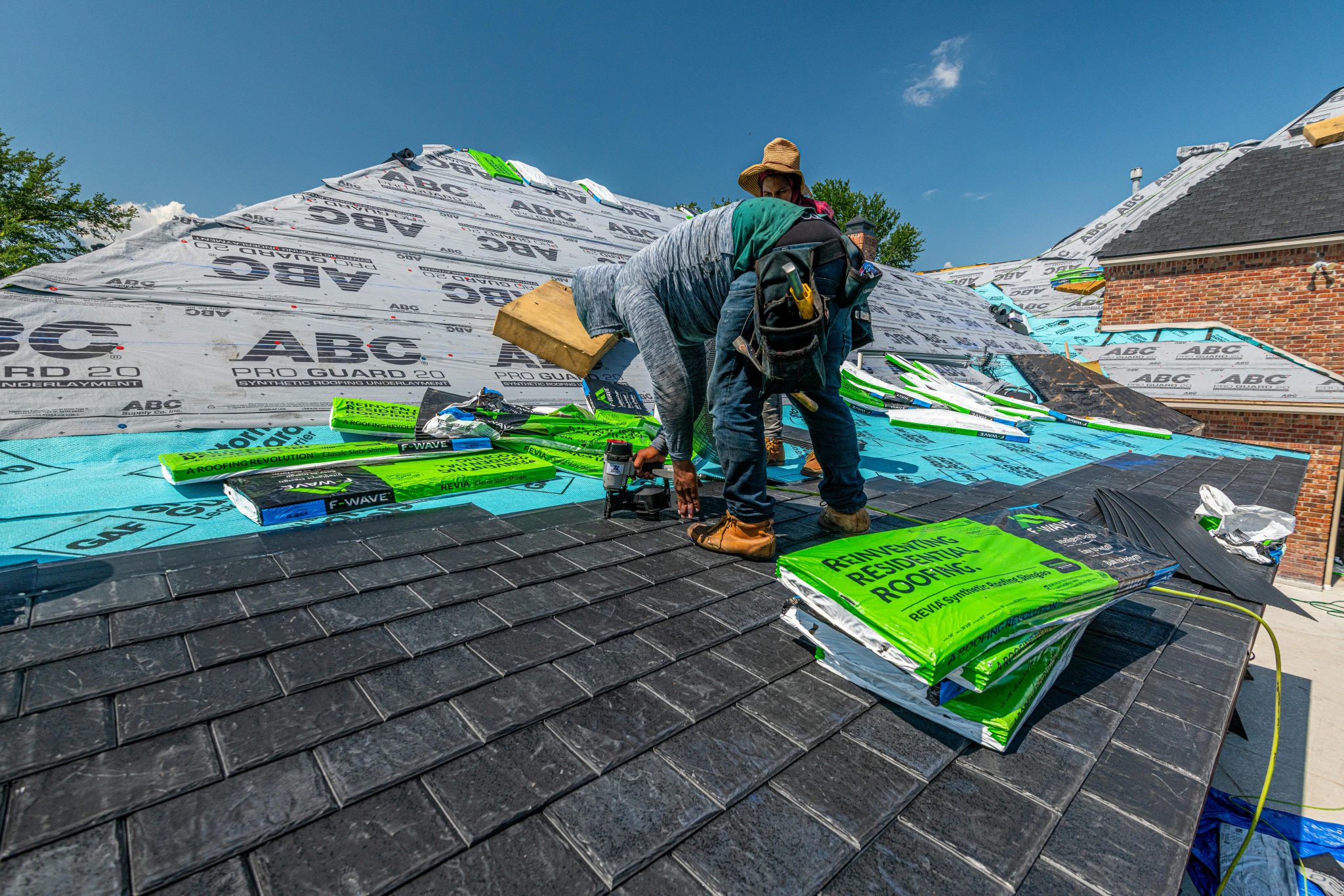
A few missing shingles can look minor from the driveway. From a roofing standpoint, they are rarely minor for long. In Succasunna, where winter freeze-thaw cycles, summer storms, and gusty weather all take turns working on a roof, a small patch of exposed underlayment can become a leak path faster than most homeowners expect.
I have seen the same pattern play out many times. A homeowner notices a bare spot after a windy afternoon, decides to wait until the weekend, then gets hit with overnight rain. By the time anyone climbs up to inspect it, water has already tracked under surrounding shingles, dampened the roof deck, and stained a bedroom ceiling twenty feet away from the real entry point. That is the tricky part with missing shingles. The visible damage is only the first layer of the problem.
If you are looking into Roof Repairs Succasunna NJ services because shingles blew off your roof, the right next step depends on more than replacing what is missing. The roof’s age, the shingle style, the condition of the surrounding area, and the reason the shingles came loose all matter. Good Roof Repairs are not just cosmetic. They restore the system so it can handle the next storm, not just survive the current one.
Why shingles go missing in the first place
Shingles do not usually vanish without a reason. Wind is the obvious culprit, but wind often exposes an underlying weakness that was already there. Sometimes the shingles were nearing the end of their service life and had become brittle. Sometimes the seal strips never bonded properly after a cold-weather installation. Sometimes nails were placed too high, which leaves each shingle less secure than it should be. On older roofs, attic ventilation can also play a part by baking the shingles from below and shortening their lifespan.
In Morris County, roof conditions can change quickly through the seasons. Snow loads sit on the roof, then melt, then refreeze near colder eaves. Spring rain tests flashing and underlayment. Summer heat dries and curls aging shingles. Fall winds can catch an already loosened tab and tear it free. A roof does not fail from one weather event alone nearly as often as people think. More often, years of wear lower the roof’s margin for error, and one storm finally reveals it.
That is why an honest repair visit should begin with diagnosis, not a sales pitch. Replacing three tabs without identifying why those three tabs detached is how homeowners end up paying for the same area twice.
What missing shingles expose
A shingle roof is layered for a reason. The top layer sheds the bulk of the water, but the roof’s real strength comes from how those layers overlap and protect the deck beneath. When shingles are missing, sunlight, wind-driven rain, and debris all hit areas that were never meant to stay exposed.
The immediate concern is water intrusion. Even if the underlayment is still intact, it is not designed to remain uncovered for an extended period. Ultraviolet exposure degrades it. Wind can lift it. Water can find nail penetrations. If the plywood or OSB deck starts taking on moisture, it can swell, soften, and eventually rot. That adds carpentry work to what might have been a straightforward shingle repair.
There is also the issue of surrounding shingles. When one section fails, adjacent shingles often have creased edges, broken seal strips, or hidden cracks. You may not see those flaws from the ground. A technician who works this area regularly will gently test the neighboring shingles and look for creasing on the back side, especially after a wind event. A patch only holds if the material around it still has enough life and flexibility to tie in properly.
Inside the house, the signs can be misleading. Water stains may show up several feet downslope or along rafters before they appear in the room directly below the missing shingles. Homeowners are often surprised when a roof problem over a garage edge shows up as a stain in a hallway ceiling. Water is patient. It follows gravity, framing, insulation, and least resistance.
The first response after you notice missing shingles
When homeowners spot damage from the ground, the best immediate move is simple: document it, protect the interior if water is already coming in, and schedule an inspection quickly. Climbing onto a roof after a storm is where many small roofing problems turn into emergency room visits. Wet shingles, steep slopes, and hidden soft spots make for bad footing.
If water is entering the home, a temporary interior response can limit secondary damage. Move furniture, place a bucket if active dripping is present, and if a ceiling is bulging with water, treat that as a serious issue rather than letting it build pressure. That said, the roof still needs exterior attention fast. Interior cleanup without exterior repair just resets the clock until the next rain.
Here is a practical short checklist homeowners can follow right away:
- Take clear photos from the ground, including the damaged area and any debris in the yard.
- Check the attic for damp insulation, water stains, or daylight showing through the roof deck.
- Protect floors and furnishings if there is interior leakage.
- Call for a roof inspection as soon as possible, especially if rain is in the forecast.
- Save any shingles you find on the ground, since they can help match the existing roof.
That last point matters more than people realize. Matching an older roof is not always easy. Even when the original product line still exists, color fading and granule wear make a new shingle look different from a ten- or fifteen-year-old field. A sample from the yard can help identify brand, style, and color family.
When a repair is straightforward, and when it is not
Some missing-shingle repairs are clean and efficient. If the roof is relatively young, the surrounding shingles are still pliable, and the deck is dry and sound, a roofer can often replace the missing pieces, reseal the area, and restore performance without much disruption. In that scenario, the key is proper fastening and blending the repair so the new pieces integrate with the old system.
Other jobs look simple from below but become more involved once someone gets on the roof. Brittle shingles can crack during removal around the repair area. The exposed section may reveal soft decking. The pattern of damage may show that the issue is not isolated at all, especially near ridges, eaves, valleys, or transitions where wind behaves differently. If multiple sections are lifting, or if the adhesive strips have failed over a broad area, patching one spot can become a temporary fix at best.
This is where experienced judgment matters. There is a difference between a repair that makes sense and a repair that delays a larger replacement by a few months while risking more water damage. A reputable contractor should be willing to say that plainly.
The repair methods professionals use
A proper shingle repair is not just a matter of sliding in new pieces and hammering nails. The technician usually has to lift neighboring shingles carefully to access fasteners, remove damaged material without tearing the surrounding field, inspect the underlayment and deck, and then rebuild the area with correct overlap and fastening placement. If the original seal strips no longer bond well because of age or temperature, roofing cement may be used strategically to secure tabs, though it should not become a substitute for correct installation.
If the deck beneath is compromised, that section needs to be cut out and replaced before new shingles go on. There is no durable shortcut around rotten sheathing. Good Roof Repairs fix the substrate first, because shingles are only as sound as what they are nailed into.
Flashing also deserves attention, especially if the missing shingles are near a wall, chimney, skylight, or valley. I have seen plenty of cases where a homeowner called about blown-off shingles, but the bigger problem was step flashing that had loosened or an old sealant joint that had dried out and cracked. The missing shingles were the visible symptom, not the main failure.
Hand-sealing and cold-weather realities
One detail that often gets overlooked in New Jersey is temperature. Asphalt shingles rely on heat from the sun to activate their seal strips fully. In cooler weather, a repair may require hand-sealing so the shingles stay in place until warmer conditions help complete the bond. This is normal, but it should be done neatly and sparingly, not smeared everywhere as a catch-all fix.
Cold weather also makes older shingles more brittle. That affects how much surrounding material can be disturbed during a repair. On a roof that is already near the end of its useful life, winter patching may need to be approached as damage control until a larger replacement can be done under better conditions.
Signs that missing shingles are part of a bigger roofing issue
A homeowner often asks a fair question: is this just a small repair, or am I looking at something larger? There is no single rule, but certain patterns usually point to a broader problem.
- Repeated shingle loss after moderate wind, not just severe storms
- Curling, cracking, or widespread granule loss across multiple roof planes
- Soft spots underfoot or visible sagging in sections of the roof
- Interior leaks that persist after previous patch jobs
- Noticeable damage around flashing, valleys, ridges, or roof penetrations
If two or three of those conditions are present together, a targeted repair may still be possible, but the conversation should include the remaining service life of the roof. Spending money on isolated patches makes sense only when the underlying roof still has enough integrity to justify it.
Why matching shingles can be harder than expected
Homeowners are often caught off guard by how complicated shingle matching can be. Manufacturers revise colors, discontinue lines, and change granule blends. Even if the exact product is still sold, years of sun exposure alter the appearance of the roof already in place. A new patch can stand out sharply at first.
That visual mismatch is not always avoidable, though it may soften over time. In some cases, a contractor can harvest shingles from a less visible rear slope for the repair and place new shingles on the back side, where the color difference matters less. That takes more labor, but on prominent front-facing roofs it can be worth discussing.
Structural and waterproofing performance should always come first, but appearance matters too. Roof work is one of the most visible exterior repairs a homeowner pays for. A good contractor will be candid about how close the color match is likely to be before the job begins.
The cost question, and what drives it
Repair pricing varies because the visible issue, a few missing shingles, does not tell the whole story. Access matters. A one-story walkable section costs less to repair than a steep second-story slope over landscaping or a deck. Material availability matters. So does the extent of underlying damage.
For a small isolated repair with good access and no decking replacement, the price may stay relatively modest. Once the work includes plywood replacement, custom flashing adjustments, or troubleshooting hidden leaks, the cost rises accordingly. Emergency service after active storm damage can also affect pricing, especially when tarping or immediate weatherproofing is required outside normal scheduling.
What matters most is whether the estimate explains the scope clearly. Homeowners should understand whether the price covers only visible shingle replacement or includes inspection of the deck, underlayment, flashing, and adjacent shingles. The cheapest line item is not a bargain if it ignores the reason the shingles came off.
Insurance, storm damage, and documentation
Missing shingles sometimes fall into the gray area between routine wear and sudden storm damage. If a storm clearly caused the loss, documentation matters. Photos of the roof, yard debris, interior leaks, and even weather timing can help support a claim conversation. A contractor familiar with Roof Repairs Succasunna NJ conditions can often point out impact or wind patterns that align with a recent event, though the insurer makes its own determination.
The key is honesty. Damage caused by age should not be presented as storm damage, and storm damage should not be dismissed as mere wear without careful review. I have seen both mistakes happen. Homeowners are best served when the roof condition is documented thoroughly and described plainly, without exaggeration.
It is also worth remembering that insurance may address sudden covered damage while excluding older deterioration. If a claim only covers part of the issue, you still need a repair plan that solves the whole roofing problem, not just the reimbursable portion.
Why local experience in Succasunna makes a difference
Roofing is local in ways people outside the trade often underestimate. A repair strategy that works fine in one region may not hold up the same way in northern New Jersey. Snow loads, ice backup risk, tree coverage, attic conditions, and common home styles all influence how roofs fail and how they should be repaired.
Many homes in and around Succasunna have mature trees nearby. That adds shade, falling limbs, leaf buildup, and localized moss or moisture retention. Shade can preserve a roof from some heat damage, but it can also slow drying and make certain sections age differently from others. On the same house, the sunny rear slope and shaded front slope may need very different assessments.
Local crews also learn quickly which neighborhoods have homes built in similar eras with similar ventilation setups, decking thicknesses, and common flashing details. That familiarity does not replace inspection, but it sharpens judgment. Subtle clues mean more when you have seen the same roof type behave through multiple New Jersey winters.
Preventing the next round of missing shingles
Once the immediate repair is handled, prevention becomes the smarter investment. Roof systems almost always give warning before larger failures, but those warnings are easy to miss from the ground. A periodic inspection, especially after major storms and at seasonal transitions, catches small issues while they are still https://www.google.com/maps?cid=8833126904634939522 manageable.
Tree maintenance helps more than many people think. Limbs that overhang the roof not only threaten impact damage, they also create scraping wear in wind and trap debris that holds moisture. Gutters matter too. Overflow near the eaves can contribute to water backup and edge deterioration, which weakens the lower courses of shingles over time.
Ventilation is less visible but equally important. Overheated attics shorten shingle life. Poor airflow can also worsen winter moisture issues. When repairs are done, it is worth asking whether the roof’s condition suggests broader attic or ventilation problems. Sometimes a shingle issue begins below the roof surface rather than above it.
Repair versus replacement, the judgment call homeowners struggle with
The hardest conversation is often not about how to repair a missing shingle, but whether repairing it is still the right move. Homeowners understandably want to avoid replacing a roof before they have to. At the same time, repeated repair bills can quietly add up while water damage risk increases.
A reasonable way to think about it is to compare the repair cost and likely durability against the roof’s age and overall condition. If the roof is fairly young and the issue is isolated, repair is usually the obvious answer. If the roof is aging, losing shingles in multiple areas, and showing surface wear across broad sections, replacement may protect both the house and the budget better over the next several years.
There is also a timing factor. A roof does not have to be actively leaking everywhere to justify replacement. If a homeowner is patching one side this year, another side next year, and then dealing with flashing and decking after that, the roof is making the decision for them in slow motion. A candid contractor should help you see that pattern before you spend yourself into it.
What a solid repair visit should leave you with
By the end of a professional repair appointment, a homeowner should have more than a patched area. You should know why the shingles came off, whether nearby sections are still sound, whether the roof deck is dry and intact, how close the shingles are to a visual match, and what the realistic next steps are for the rest of the roof.
That clarity is what separates a real roofing service from a quick patch. In practical terms, the best Roof Repairs address both the symptom and the cause. For homes in Succasunna, that means accounting for wind exposure, seasonal temperature swings, moisture behavior, and the actual age and condition of the roofing system already in place.
Missing shingles are fixable, often quickly when caught early. What matters is resisting the temptation to treat them as a minor cosmetic annoyance. On a roof, small openings become expensive problems because they expose everything beneath them. The right response is prompt, careful, and tailored to the roof you have, not the roof you wish you had. When handled that way, a focused repair can restore protection, extend service life, and keep a simple shingle loss from turning into a much bigger job.
Royalty Exteriors
Address: 151 NJ-10 Ste 103A, Succasunna, NJ 07876
Phone number: +19733337234
FAQ About Roof Repairs Succasunna NJ
How much should I pay for roof repairs?
Most homeowners pay an average of $900 to $1,200 for roof repairs, with typical projects ranging from $150 to $3,000+ depending on the severity of the damage.
What are the most common roof repairs?
The most common roof repair is fixing water leaks by replacing damaged, cracked, or missing asphalt shingles and sealing compromised flashing.
Does homeowners insurance pay for roof repairs?
Homeowners insurance pays for roof repairs only if the damage is sudden and accidental, such as from a storm, hail, or a falling tree.